♻
Plastic in the Ocean
Plastic bags, fishing line and other waste can be mistaken for food or cause injury.
Protecting sea turtles across the Caribbean
Sea turtles need safe beaches, clean oceans and people who care enough to protect them.
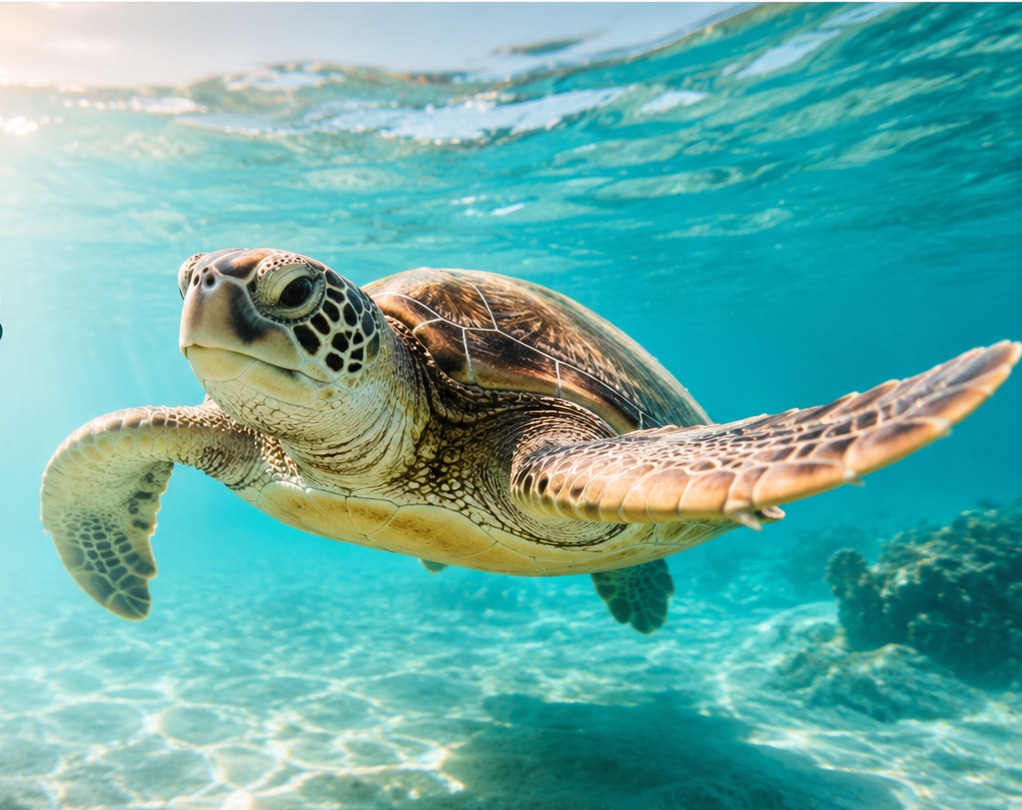
They need our help
From the ocean they call home to the beaches where they nest, sea turtles face dangers at every stage of their lives.
Plastic bags, fishing line and other waste can be mistaken for food or cause injury.
Nets, hooks and fishing lines can trap or entangle sea turtles.
Developed, overused or disturbed beaches leave turtles with fewer safe places to lay their eggs.
Hatchlings follow the brighter horizon over the ocean. Artificial lights can lead them in the wrong direction.
Every protected beach, every guarded nest and every preserved habitat can make a difference.
A life worth protecting
Sea turtles can live for many decades. Many travel thousands of kilometres across the ocean during their lifetime.
When females return to lay their eggs, they often come back to the same region where their own lives began.
This cycle has continued for an extraordinary amount of time. For it to continue, sea turtles need safe beaches, clean oceans and protected habitats.

Meet Maya, Luna and Solvita
Maya, Luna and Solvita represent the many sea turtles that travel through the Caribbean, return to its beaches and face countless challenges along the way.
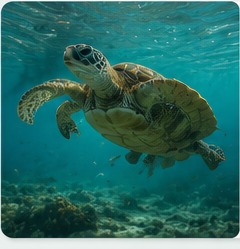
Maya travels through the warm waters of the Caribbean in search of food. Plastic, fishing gear and damaged habitats can turn her journey into a dangerous one.
Clean oceans keep her journey alive.
Luna comes ashore at night to find a quiet place to lay her eggs. Disturbance, development and bright lights can stop her from nesting safely.
Safe beaches protect her legacy.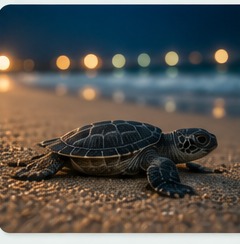
Solvita has only just hatched. A few metres of sand separate her from the sea, yet light, rubbish, obstacles and predators make the journey dangerous.
Every hatchling deserves a chance.What protection really means
Nesting sites can be located, marked and protected from disturbance.
Patrols and local conservation projects help monitor and safeguard important nesting areas.
Clean coastlines and healthy marine environments give sea turtles a better chance to survive.
Local teams work on the ground every day to protect nests, monitor turtles and care for hatchlings.
6 amazing facts
Sea turtles have survived for millions of years. Let’s make sure they thrive for millions more.
Sea turtles belong to an ancient group of animals whose history stretches back millions of years.
Some leatherback turtles travel more than 16,000 kilometres in a single year.
Some species do not become sexually mature until they are 25, 30 or even more years old.
Warmer nests tend to produce more females, while cooler nests tend to produce more males.
After decades and thousands of kilometres in the ocean, they can find their way back.
From their first trip across the beach to their early years at sea, they face countless dangers.
Your help can make a difference
Your support can help existing conservation projects monitor beaches, protect nests, guide hatchlings to the sea and keep important habitats safe.
Your donation goes straight to Sea Turtle Conservancy, which protects nesting beaches across the Caribbean.
For Maya. For Luna. For Solvita.
For the turtles travelling through the Caribbean. For the females returning to the beaches at night. And for the tiny hatchlings whose journey is only just beginning.
Help Now